 IMGL2662
Mulberry Silk Quilt Factory
Hand-pulled · made to order · Grade 6A mulberry silk
01 — Origin
Proudly Handmade in the Yangtze River Delta
In villages that once outfitted emperors, local artisans infuse history and heritage into handmade bedding.
 AdobeStock_380969066
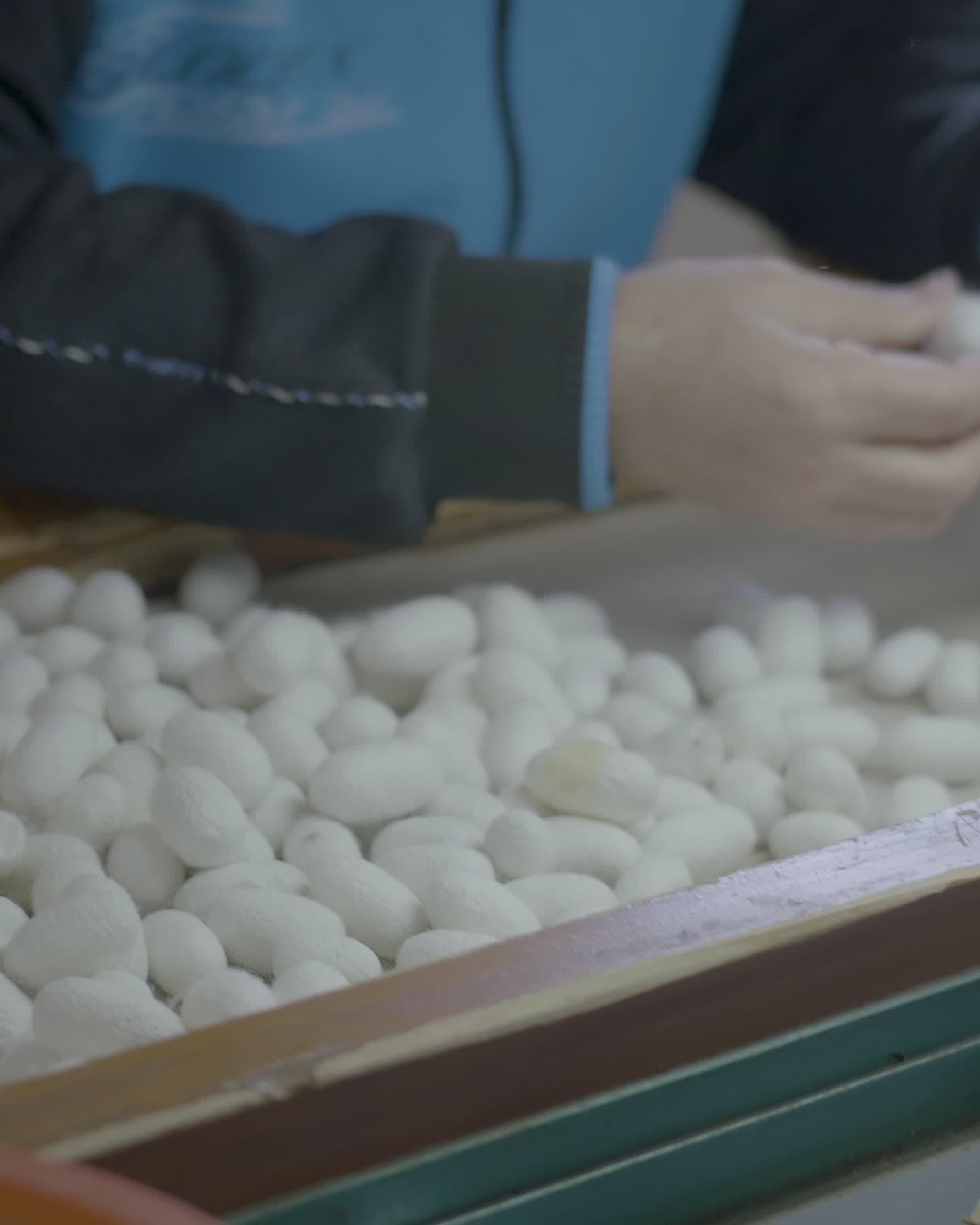
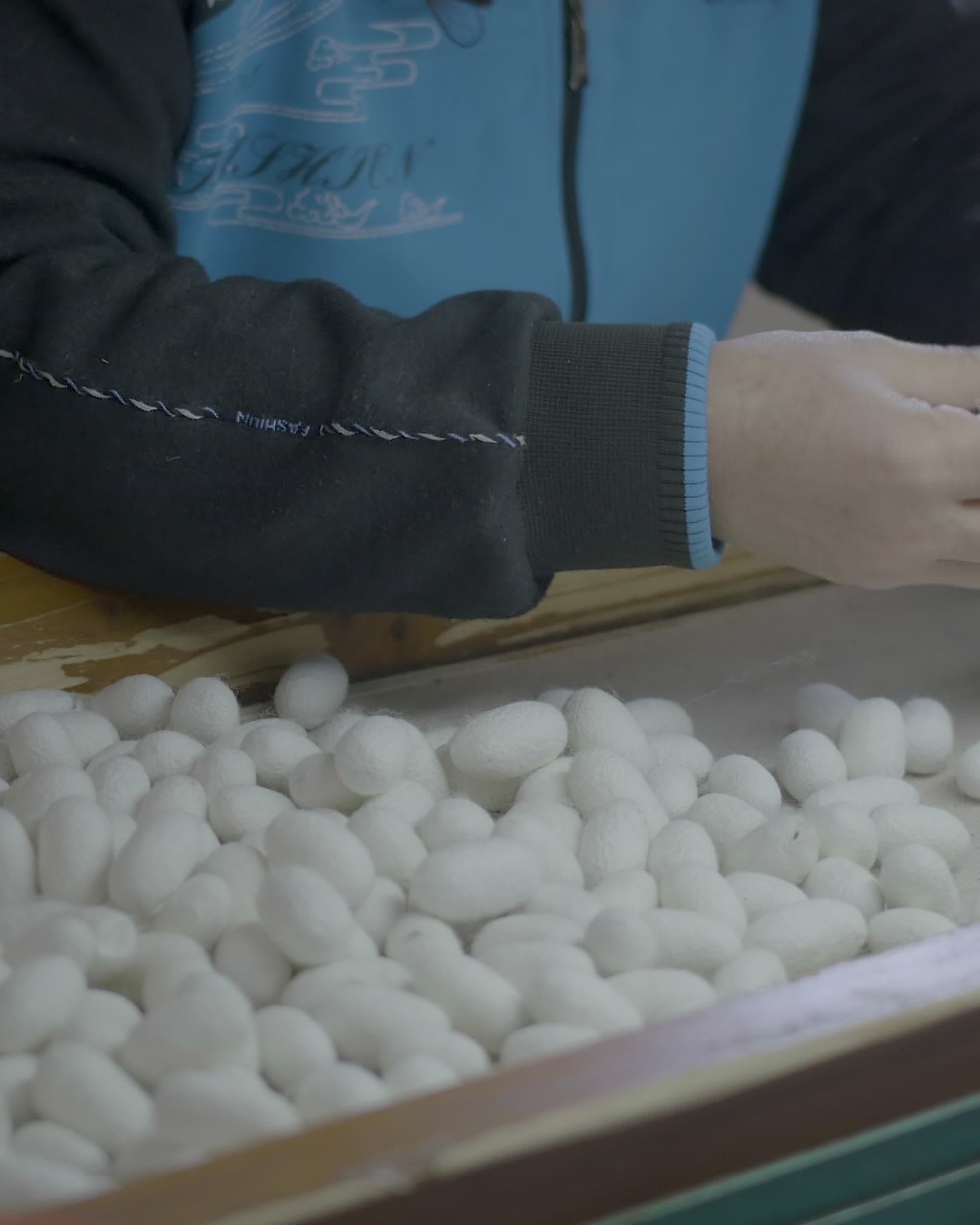
Cocoon · sorted by hand
 AdobeStock_380958337
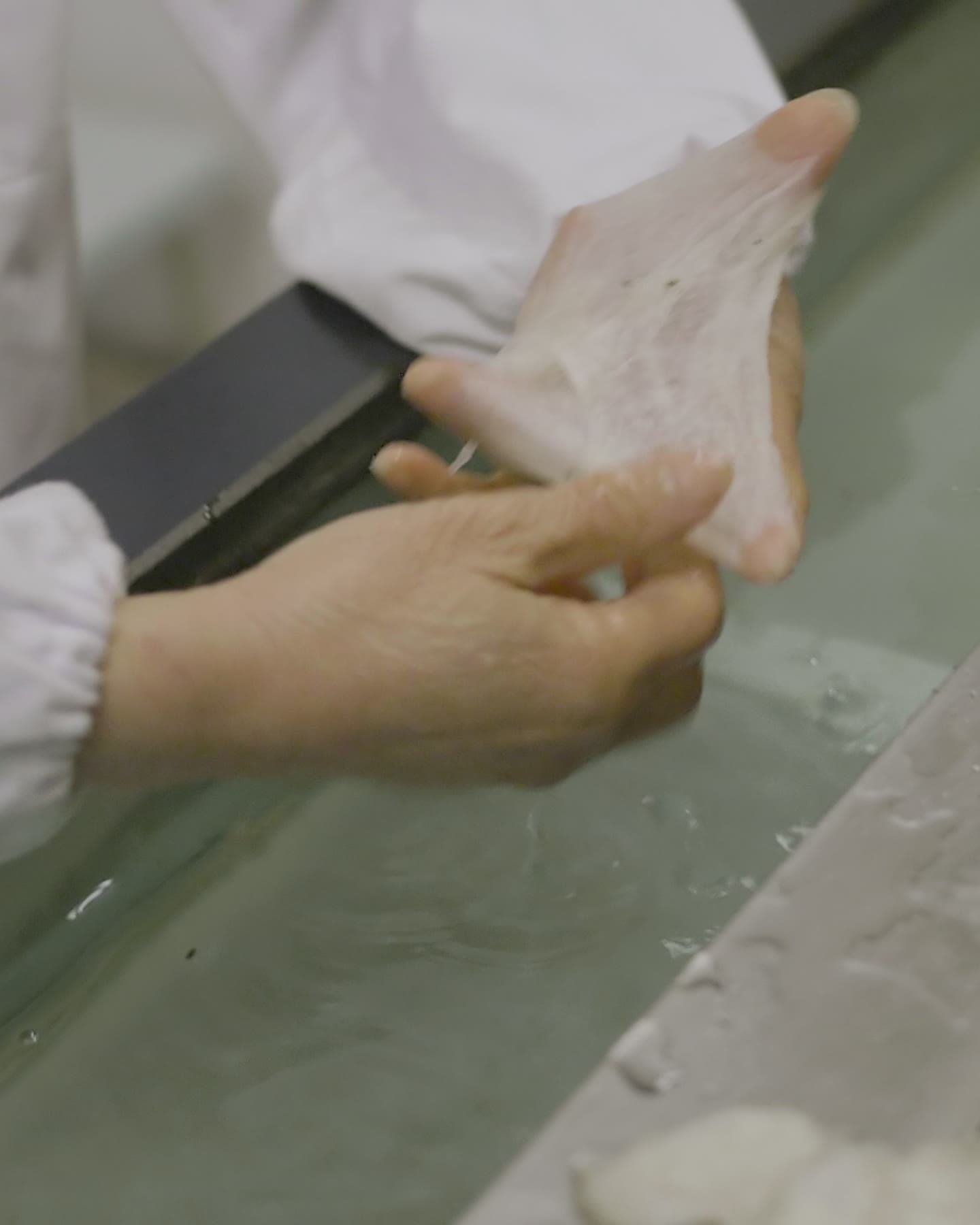
Floss · drawn from water
 AdobeStock_271118322
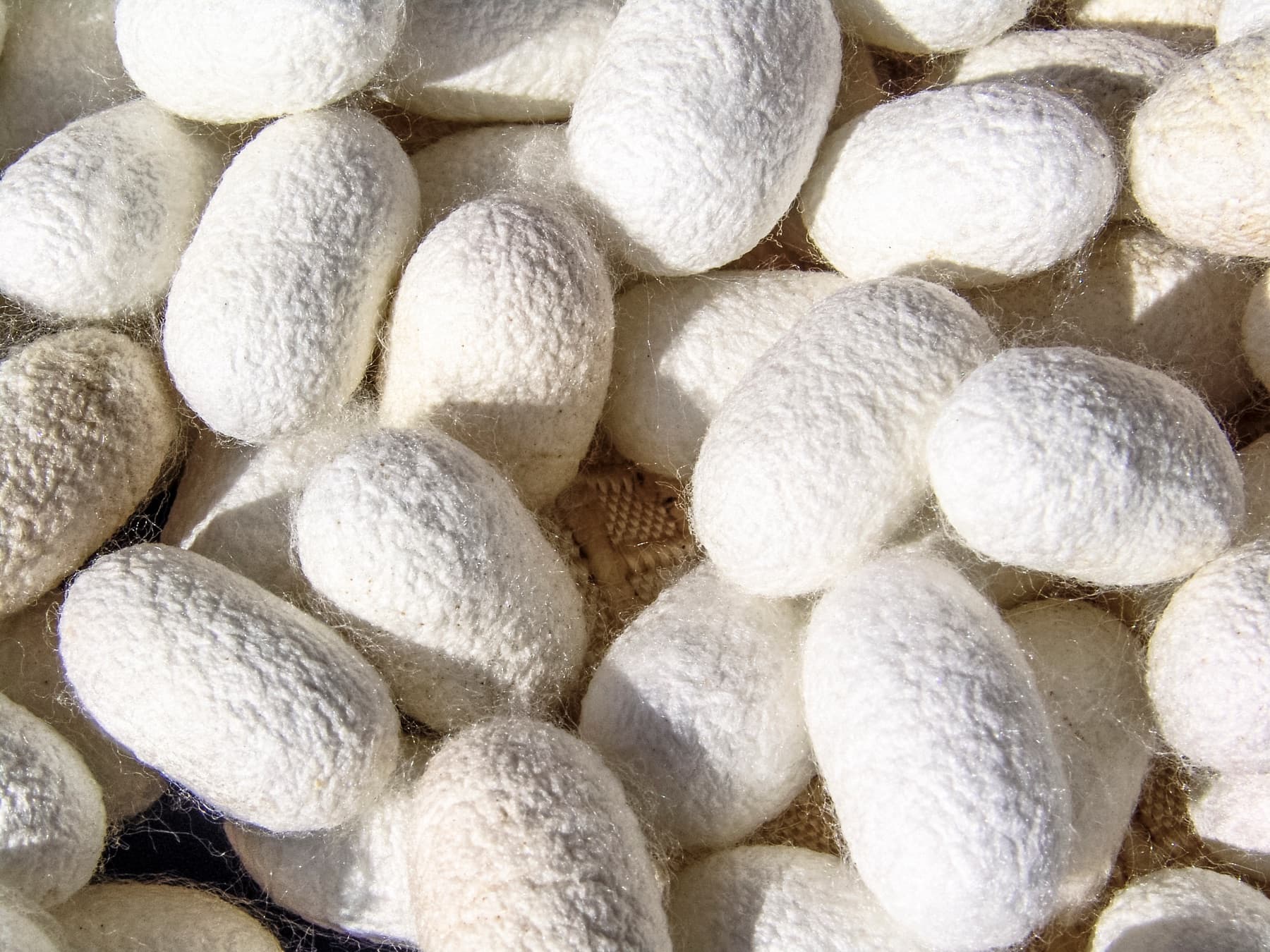
Material Philosophy · Grade 6A
From regions where mulberry is cultivated.
We accept only the highest-grade long-fibre mulberry silk, reserved for cocoons whose filament can be drawn out cleanly, without breakage. The reason is simple: how a silk quilt feels in ten years depends almost entirely on what went into it on the first day.
Long fibre · uninterrupted
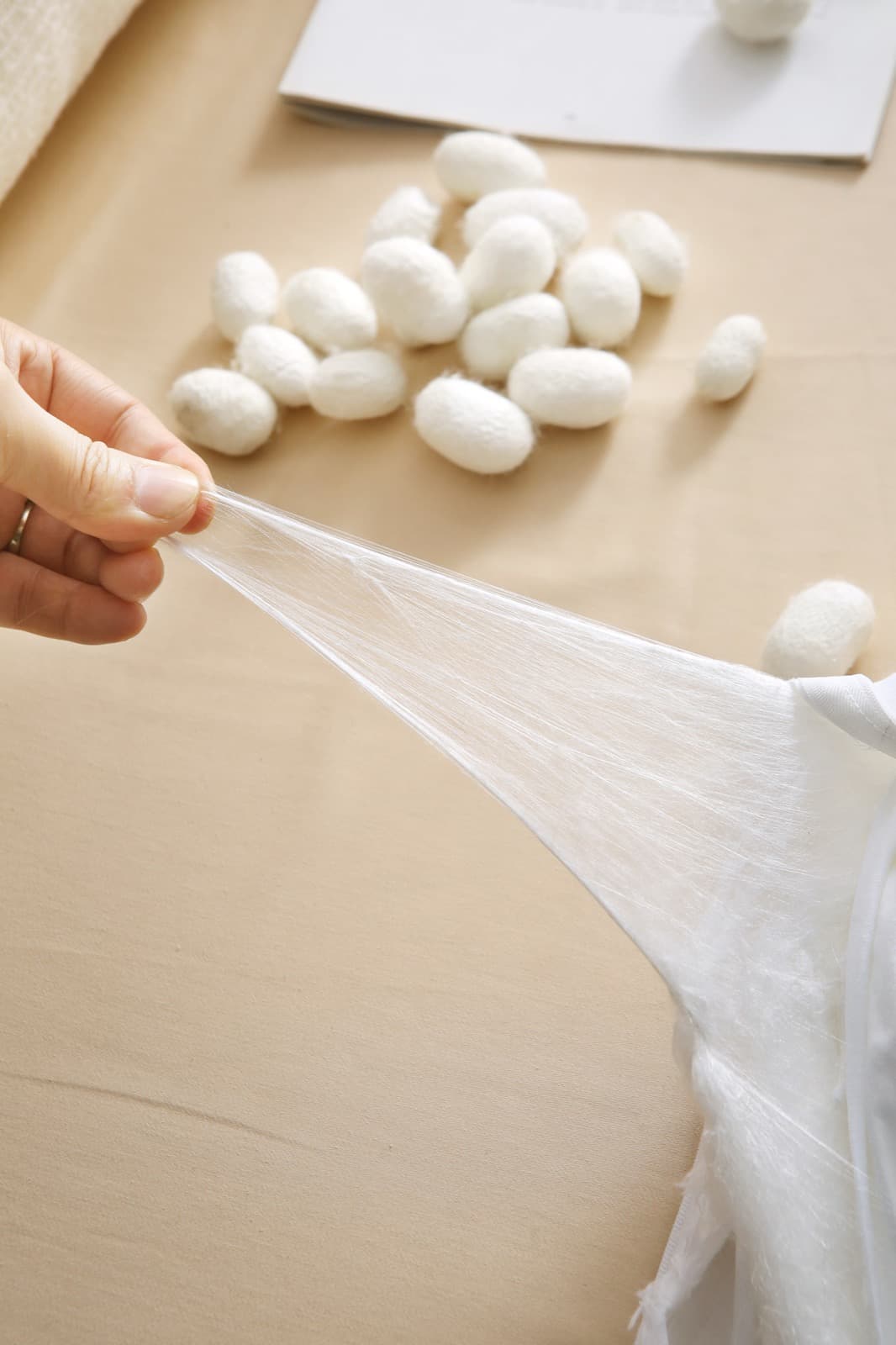
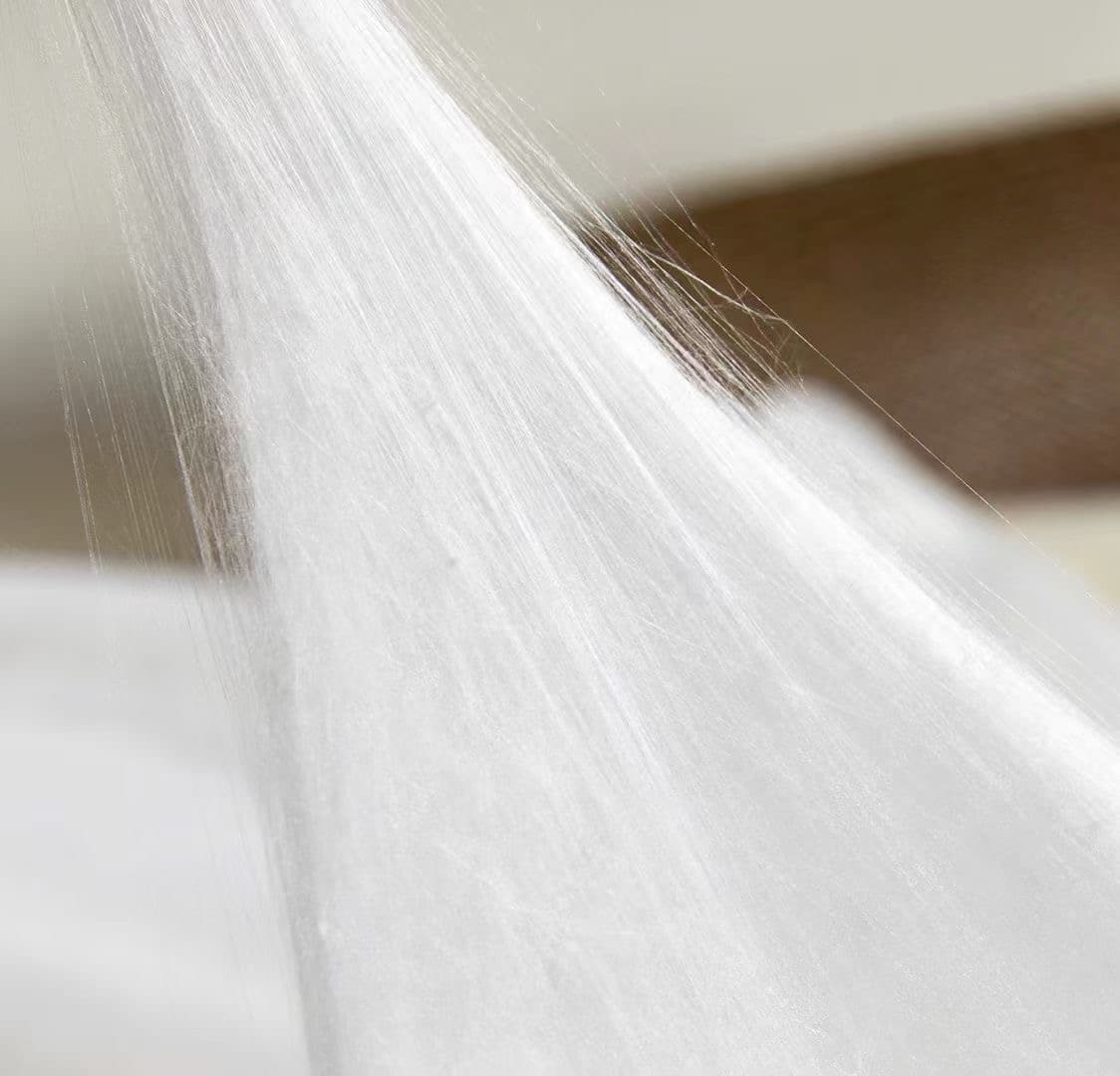
We do not reel it onto bobbins or weave it into cloth. We leave it raw — perfectly imperfect — and stretch it into thin overlapping layers by hand.
 AdobeStock_359429440
Skein · long fibre
 AdobeStock_380969066
Sorting · by hand
Chapter · Hands
Artisans First
We work with farmers from the Yangtze Delta who still call their silkworms cán bao bao — silk babies. Each cocoon is sorted by hand, one tray at a time; each batch is washed by hand. The craft has been passed down in these villages for generations.
Why Silk · Properties of the Fibre
Cool when warm, warm when cool.
Silk does not invite dust mites. It does not breed microbes. It cools when the body is warm, warms when the body is cool. These properties belong to the fibre itself — they disappear the moment silk is processed into anything else.
Our silk is fed on organic mulberry leaves and selected as the longest, cleanest filament available. The fibre keeps its own texture, knotted where the silkworm knotted it.
The Four Pillars · Slow Craft
What a machine cannot do, slowly.
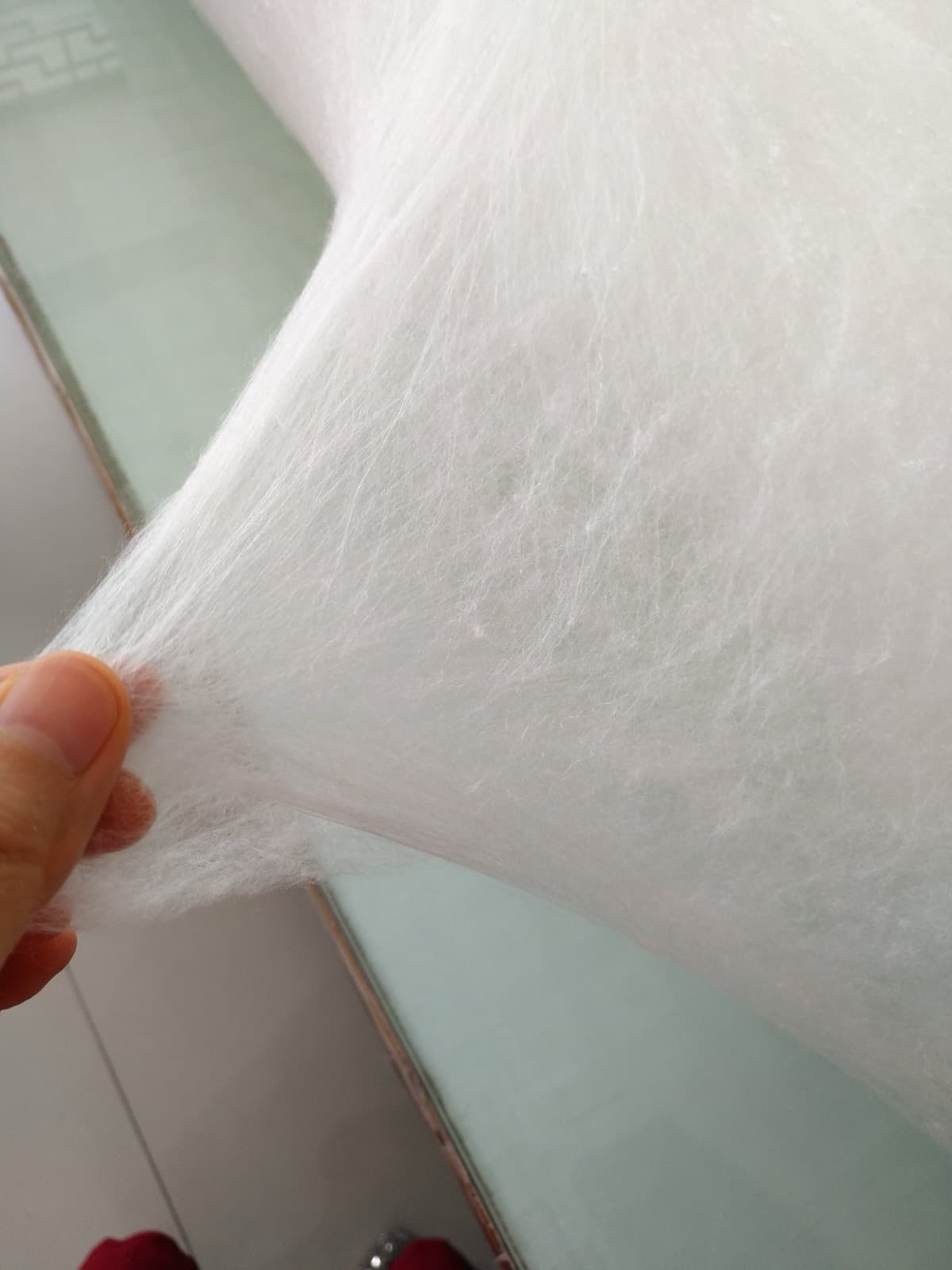
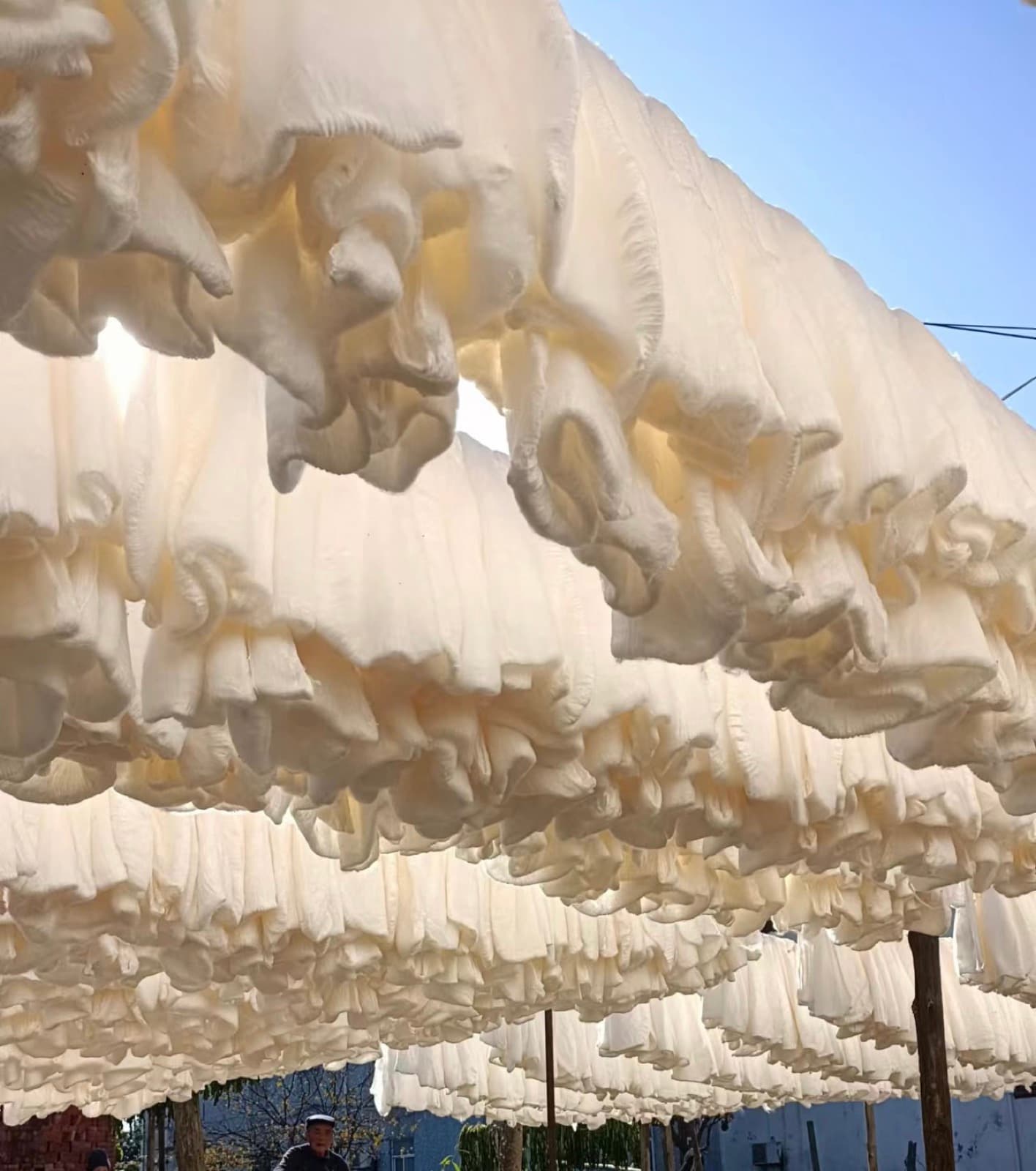
Hand-pulled silk filling has no industrial equivalent. The only way to keep the long fibre intact is to open it by hand, layer by layer, until the quilt is built.
 AdobeStock_468611907
Hand-pulled
A single skein, opened and stretched across the table — repeated thousands of times for one quilt.
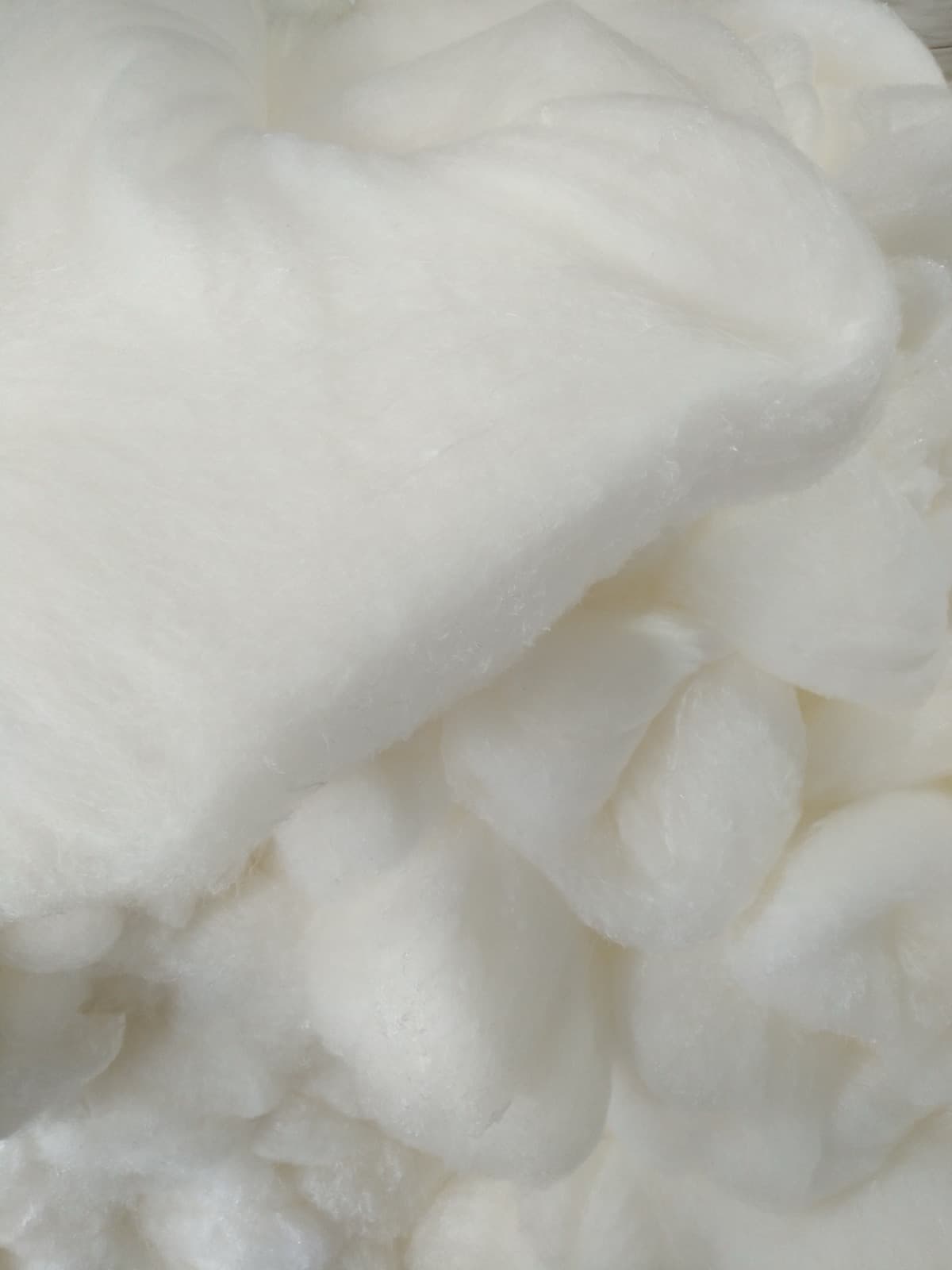
 AdobeStock_468612216
Layered
Layer upon layer the floss is built into a cloud — uniform in weight, breathable to the touch.
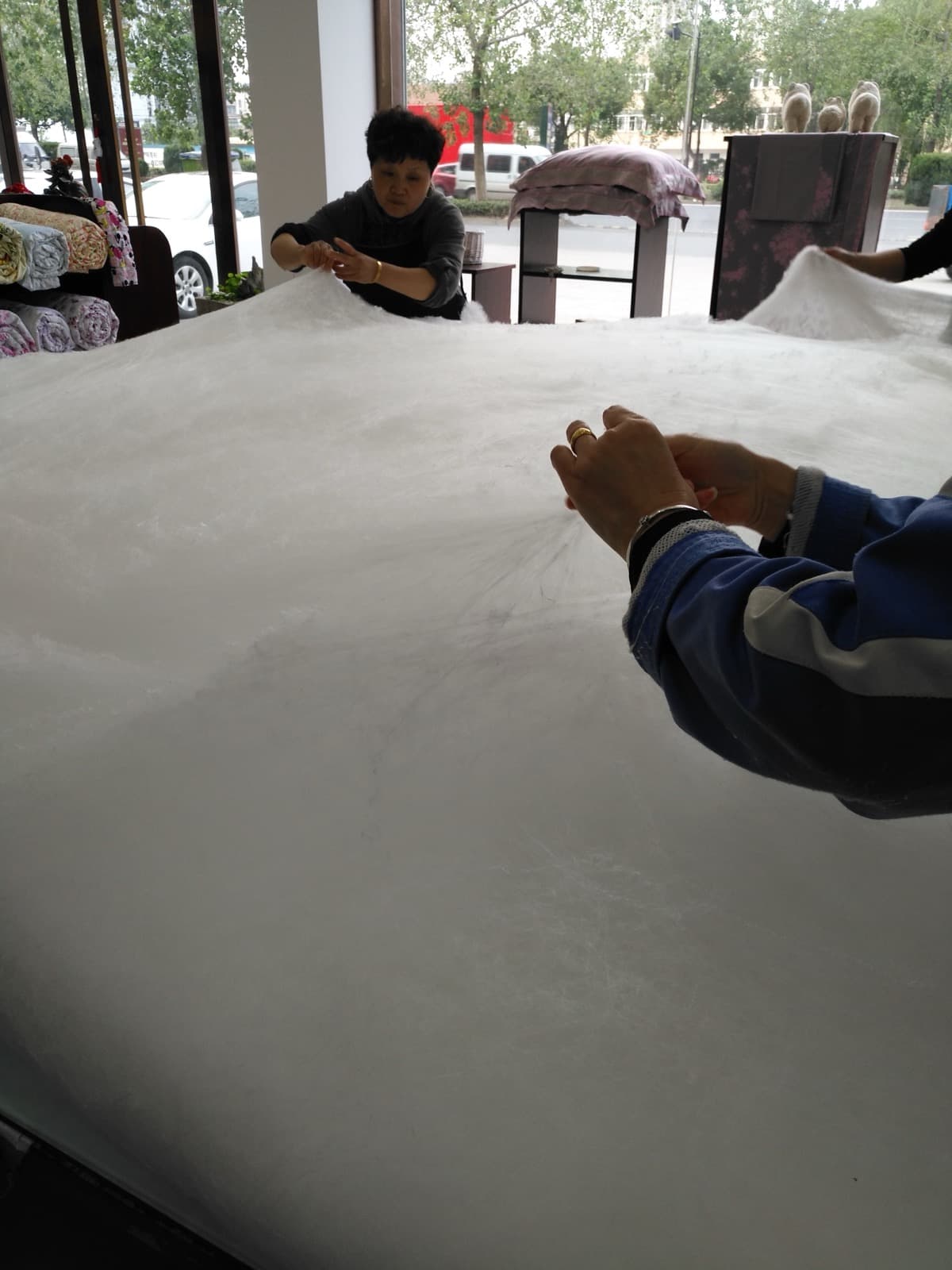
 AdobeStock_468612581
Felt by hand
Each panel is pressed and read with the palm. Inconsistencies are corrected before the next layer.
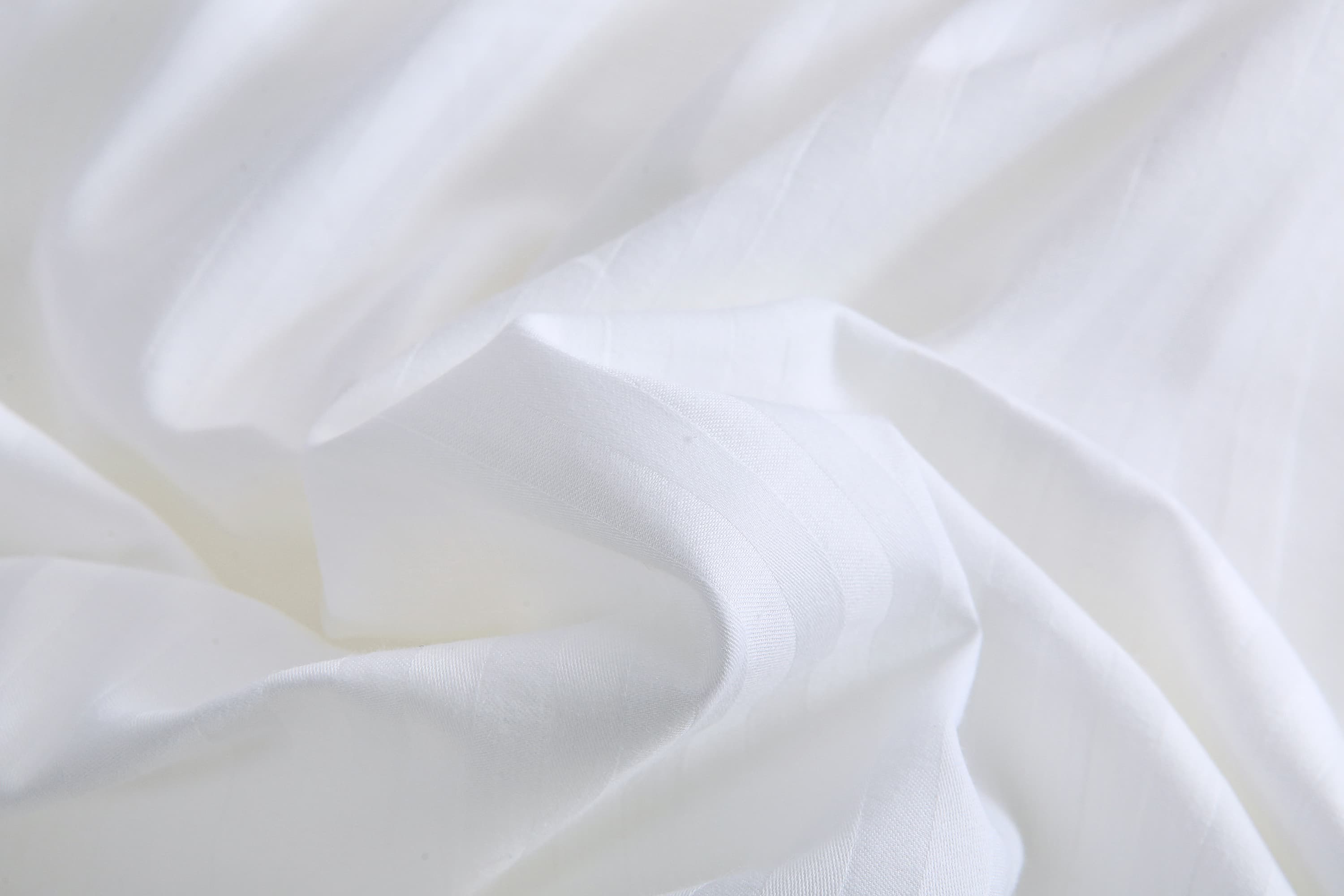
 AdobeStock_468612695
Finished
When the surface is smooth and the corners full, the quilt is closed and stitched — a quiet completion.
02 — Anatomy
Three layers, nothing else.
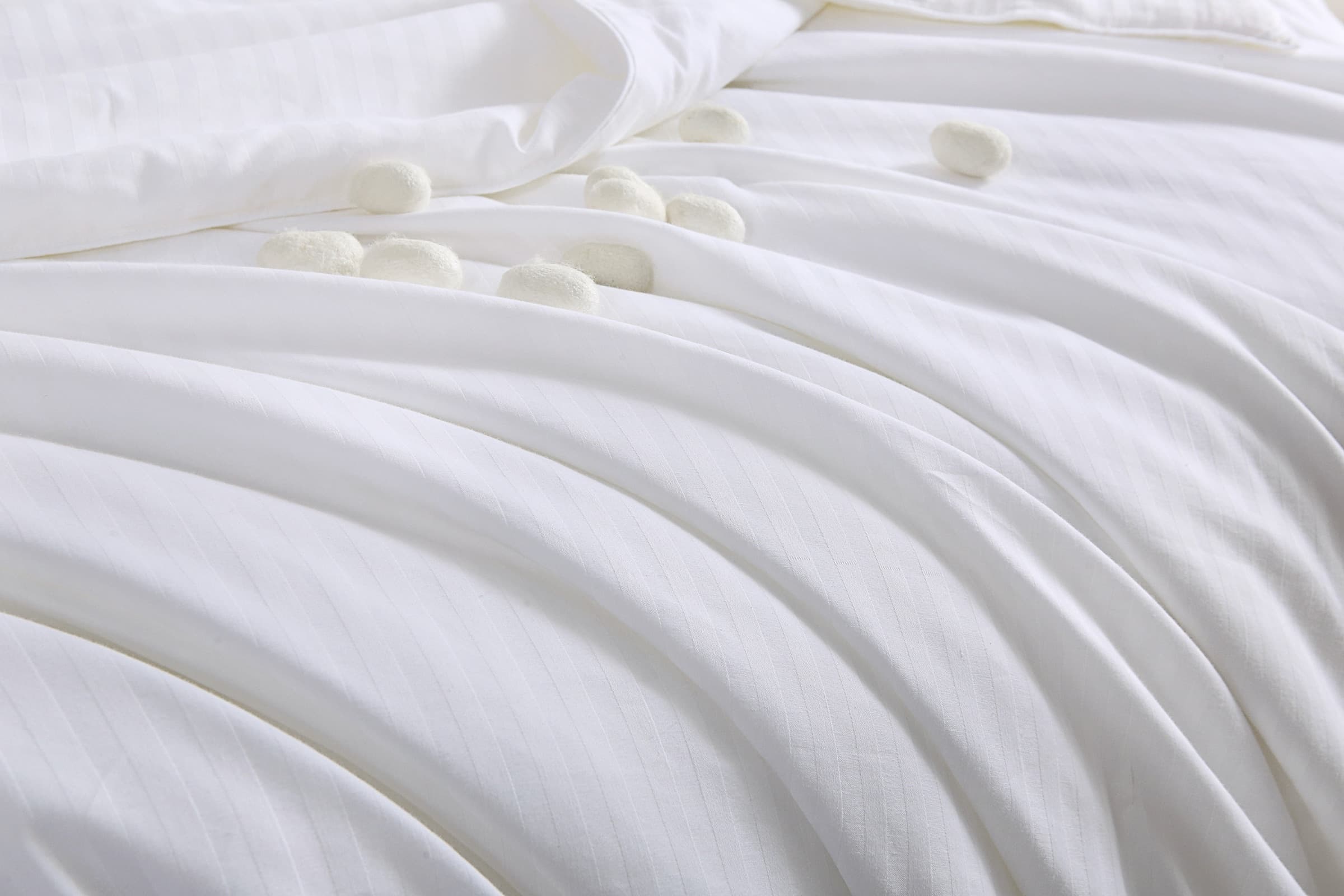
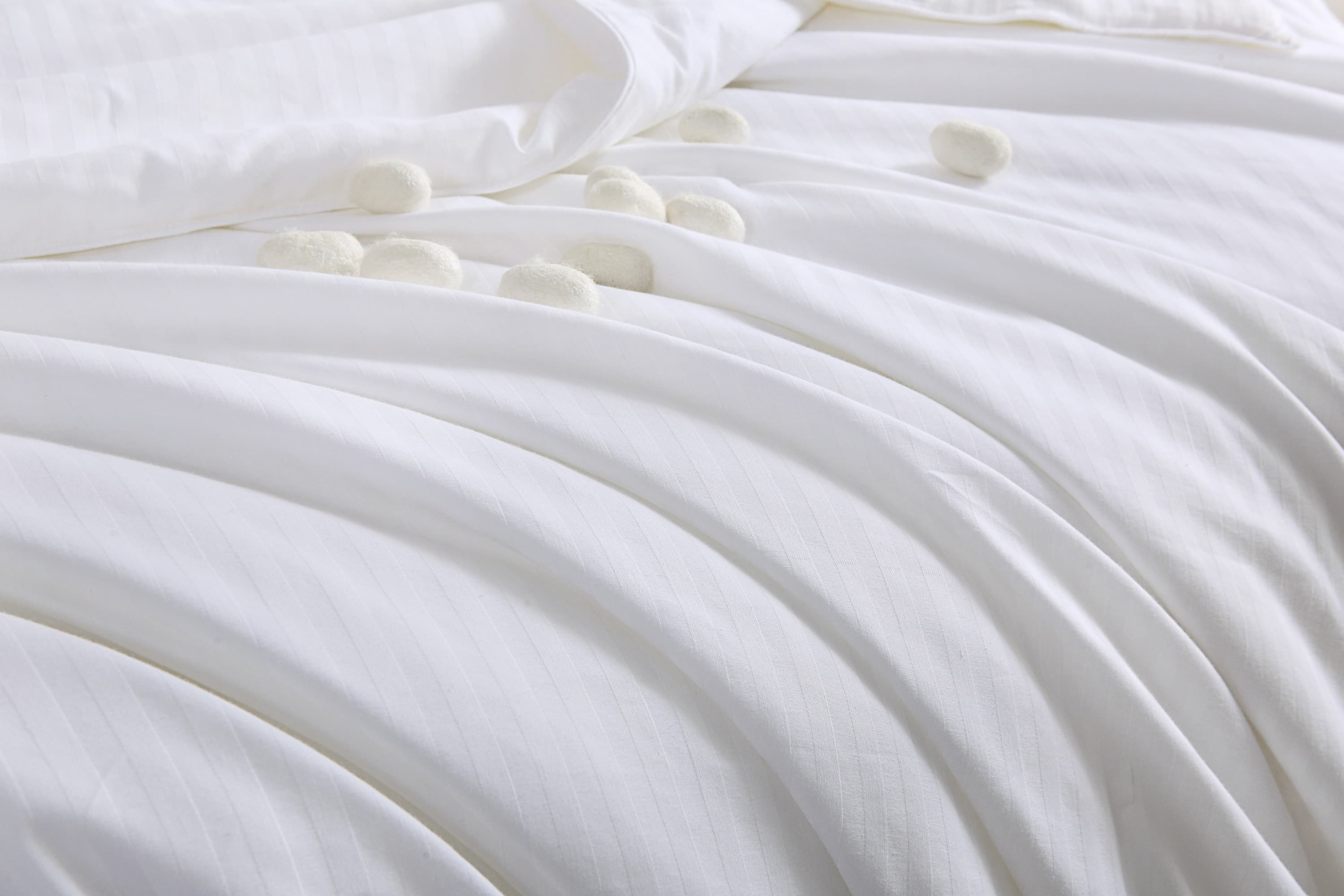
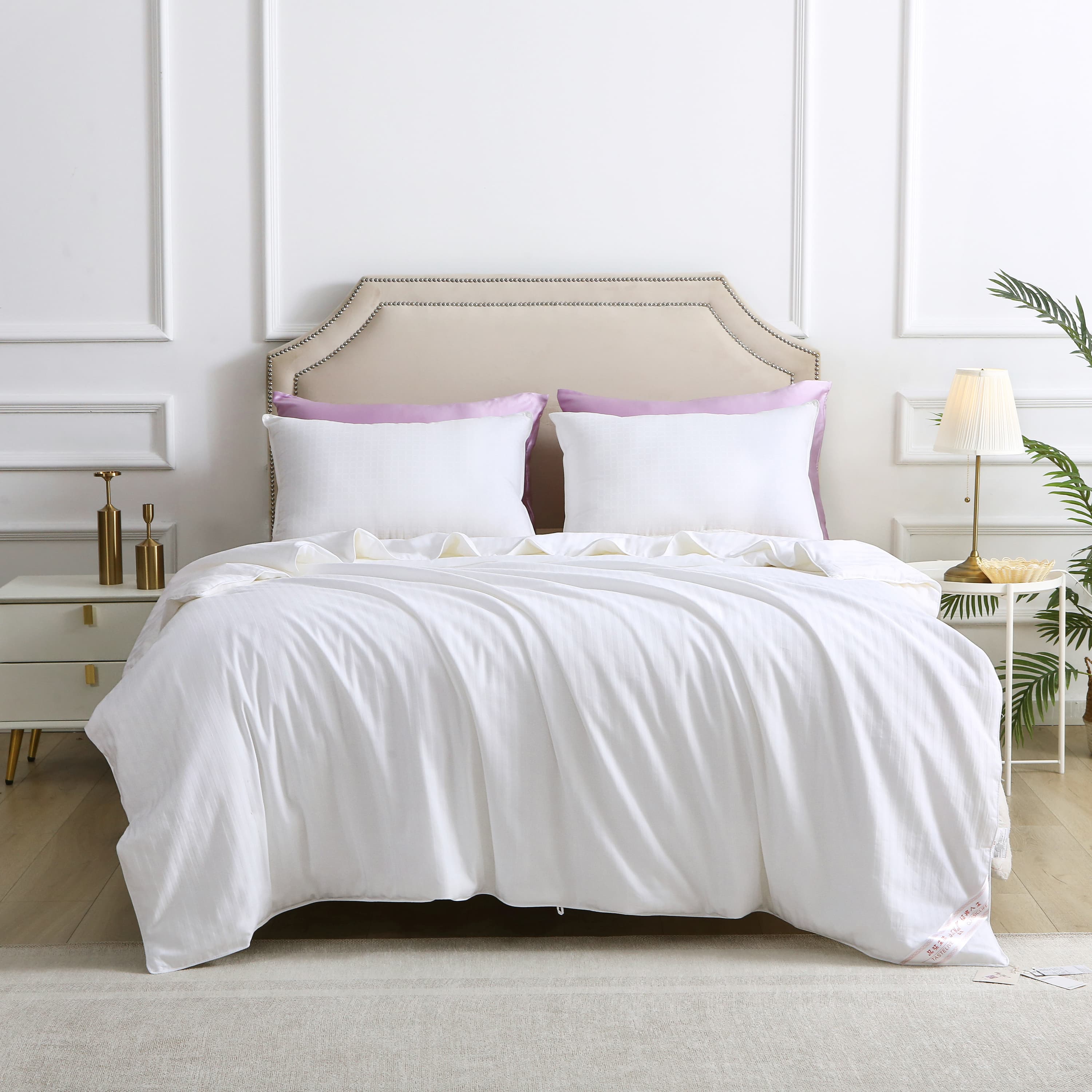
A quilt is the silk plus the way it is held. Cotton sateen on both faces, a hand-pulled silk core in between, anchored only at the corners and a few discreet points along the panel — no machine quilting that would crush the fibre.
04 — Touch
Light enough to forget, warm enough to remember.
Silk regulates temperature against the body — cool at the edge of summer, warm through winter. It absorbs moisture without feeling damp. It does not gather static. These are not features; they are simply how the fibre behaves when it is left mostly alone.
05 — Weights
Made to the season.
Standard fills below; custom weights, sizes and packaging available on request.
01
Summer
≈ 1.0 kg
for the edge of the warm season
02
Spring · Autumn
≈ 1.5 kg
the everyday weight
03
All-Season
≈ 2.0 kg
kept on year-round
04
Winter
≈ 3.0 kg
for the deep cold
06 — On record
Standards we accept.
01
CCIC Quality Verified
Third-party batch testing
02
China Silk Association
Industry standard compliance
03
Grade 6A Origin
Long-fibre, certified region
04
GB/T 24252
Manufactured to national standard
07 — Questions
Frequently asked.
If something isn't covered below, write to us — we will answer plainly.
01 · About the Silk
What grade of silk do you use?+
All filling is Grade 6A long-fibre mulberry silk — the highest classification, reserved for cocoons whose filament can be drawn intact, without breakage. Cover fabric is 100% cotton sateen unless otherwise specified.
Is silk hypoallergenic?+
Raw silk is naturally resistant to dust mites and microbes, and rarely triggers fibre-related allergies. The protein structure of silk is close to human keratin. Most people allergic to wool, down, or synthetic fill are unaffected by silk.
02 · Care & Longevity
How do I clean a silk quilt?+
Do not machine wash the silk core. The cotton cover may be removed and washed normally. Air the silk core in a cool shaded place twice a year — never in direct sun, as UV damages the silk protein. Spot-clean small marks with a damp cloth. For full cleaning, use a professional silk dry-cleaner.
03 · Customization
What weights and sizes are available?+
Standard weights: 1.0 kg (summer), 1.5 kg (spring–autumn), 2.0 kg (all-season), 3.0 kg (winter). Standard sizes: 160×210, 200×230, 220×240 cm. Custom weights and sizes are produced to order.
Can I use my own cover fabric?+
Yes. For private label and OEM orders we can quilt your supplied cover fabric or source a specific cotton, linen, or silk cover to your specification.
Can the quilts carry my brand label?+
Yes. We do private label work — sewn-in labels, embroidered logos, custom hangtags, packaging and care cards.
For Buyers
Made to order in our own workshop.
Private label · hospitality · bridal gifting · corporate gifts. Custom weights, sizes, packaging and labelling — produced to order in our own workshop.